
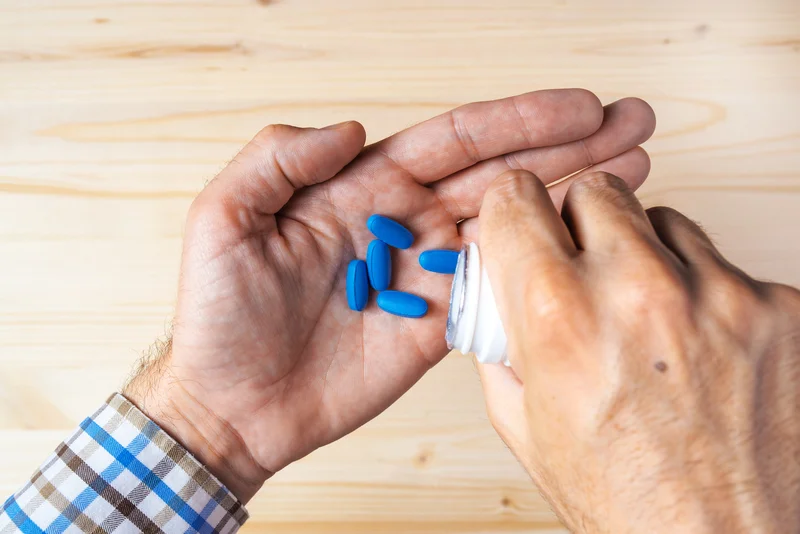
If a person has a sudden onset of muscle twitching along with other symptoms, such as numbness or weakness, seek prompt medical advice. When a person does not drink enough water, they may develop dehydration, which some anecdotally report causes muscle twitching. Muscle twitches can occur for many reasons, such as a lack of sleep, caffeine use, nutrient deficiencies, overexertion, and stress. Depending on the cause, treatments and remedies may help relieve twitching muscles. Getting 7-9 hours of sleep per night can significantly reduce fatigue and prevent eye twitching. Coffee is a diuretic, meaning it can lead to increased urination and potentially cause dehydration.
The Connection Between Alcohol and Muscle Twitching
One of the primary ways alcohol contributes to muscle cramps is by causing dehydration. Alcohol causes fluid loss and raises urine output since it is a diuretic. When the body loses too much water, it disrupts the balance of electrolytes—such as sodium, potassium, and magnesium—which are crucial for muscle contraction and relaxation. Alcohol has numerous effects on the body, many of which can negatively impact muscle function.
- Some health conditions can cause a reduction in the levels of calcium, potassium and other minerals, which can end up causing impacts on your lip twitching.
- Help your child understand what tics are so they can explain them to their friends and classmates.
- Adjusting your habits is often the first step to calming the spasms.
- It’s used by medical professionals to assess your risk for alcohol dependence.
Practical Tips to Reduce Alcohol-Related Muscle Cramps
Whether it’s withdrawal, dehydration, or an overloaded liver, these symptoms are a wake-up call to take a closer look at your drinking habits. This rare condition happens when your nerves keep sending signals that make your muscles move, even though your brain or spinal cord isn’t telling them to. It may also make your muscles ripple, like something is moving under your skin. Also known as neuromyotonia or Isaacs-Mertens syndrome, the symptoms continue when you’re asleep or under general anesthesia. Bell’s palsy, a condition affecting the facial nerve, can cause facial muscle weakness and twitching.
What are some ways to stop twitching after drinking coffee?
Because he is a member of a support group that stresses the importance of anonymity at the public level, he does not use his photograph or his real name on this website. If left untreated, withdrawal can progress to complicated alcohol withdrawal. Mild symptoms may appear similar to a hangover, but they last longer than 24 hours. At Volusia Medical Center, we’re focused on giving you the best care possible. Contact us today to find out more about our services and schedule an appointment with one of our medical experts.
Withdrawal symptoms can quickly go from a bad hangover to a serious medical situation. Alcohol withdrawal symptoms range from mild but annoying to severe and life-threatening. When that person cuts out alcohol, there is a what is alcoholism period when their brain hasn’t yet received the message and still overproduces the stimulating chemicals. With alcohol out of the equation, though, these chemicals cause withdrawal symptoms. Over time, however, the body builds a tolerance to alcohol, and a person may have to drink more and more to get the same feeling. Meanwhile, the brain is producing more and more neurotransmitters, making a person further imbalanced.
- In particular, if you reach your hand out, you may notice a tremor.
- This kind of tremor is not related to AWS but can result from heavy drinking over time harming your brain.
- Sometimes, hangover shakes can be a warning that more serious effects like DT might follow.
- The best way to handle this situation is to increase the consumption of foods rich in calcium and potassium, such as broccoli, bananas, and even spinach.
- Drink plenty of water throughout the day, especially when consuming coffee.

Hangover shakes are tremors that some people experience after they stop drinking alcohol. Alcohol is a depressant that changes the way the nervous system functions. When a person stops drinking alcohol, they may experience nervous system effects such as tremors.
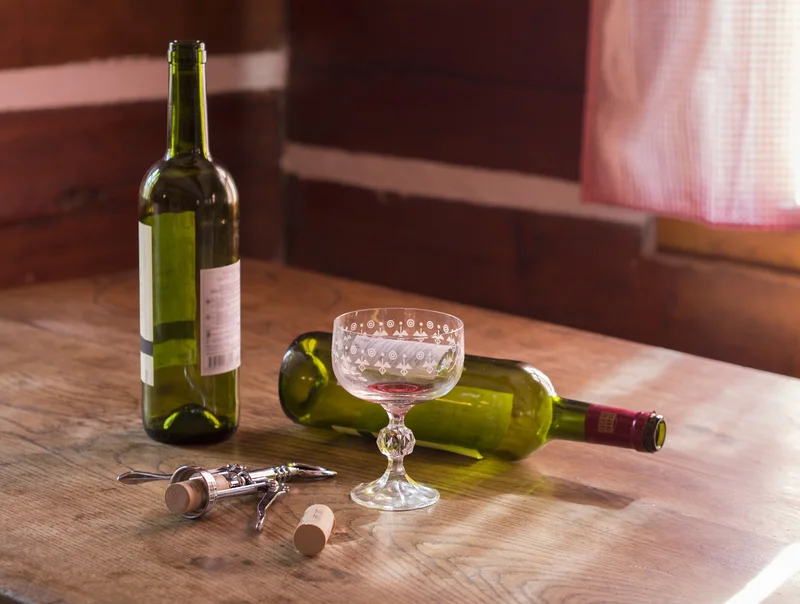
What Causes Shaking After Drinking Alcohol?
Eye twitching is often caused by everyday factors like stress, fatigue, caffeine, or dry eyes. At-home treatments include using a warm compress, getting more rest, limiting stimulants like caffeine, and applying how to stop twitching after drinking artificial tears for lubrication. A physical exam to evaluate other symptoms may be one way for your doctor to diagnose what’s causing the twitches. A doctor may also ask about your lifestyle, such as how frequently you drink coffee or alcohol. If your lip twitching occurs regularly, doesn’t stop, or is accompanied by other concerning symptoms, you may need medical attention. Hemifacial spasms occur because of damage to the seventh cranial nerve, which affects the facial muscles.
Recent Comments